ENDS public information workflow: a practical 2026 research guide
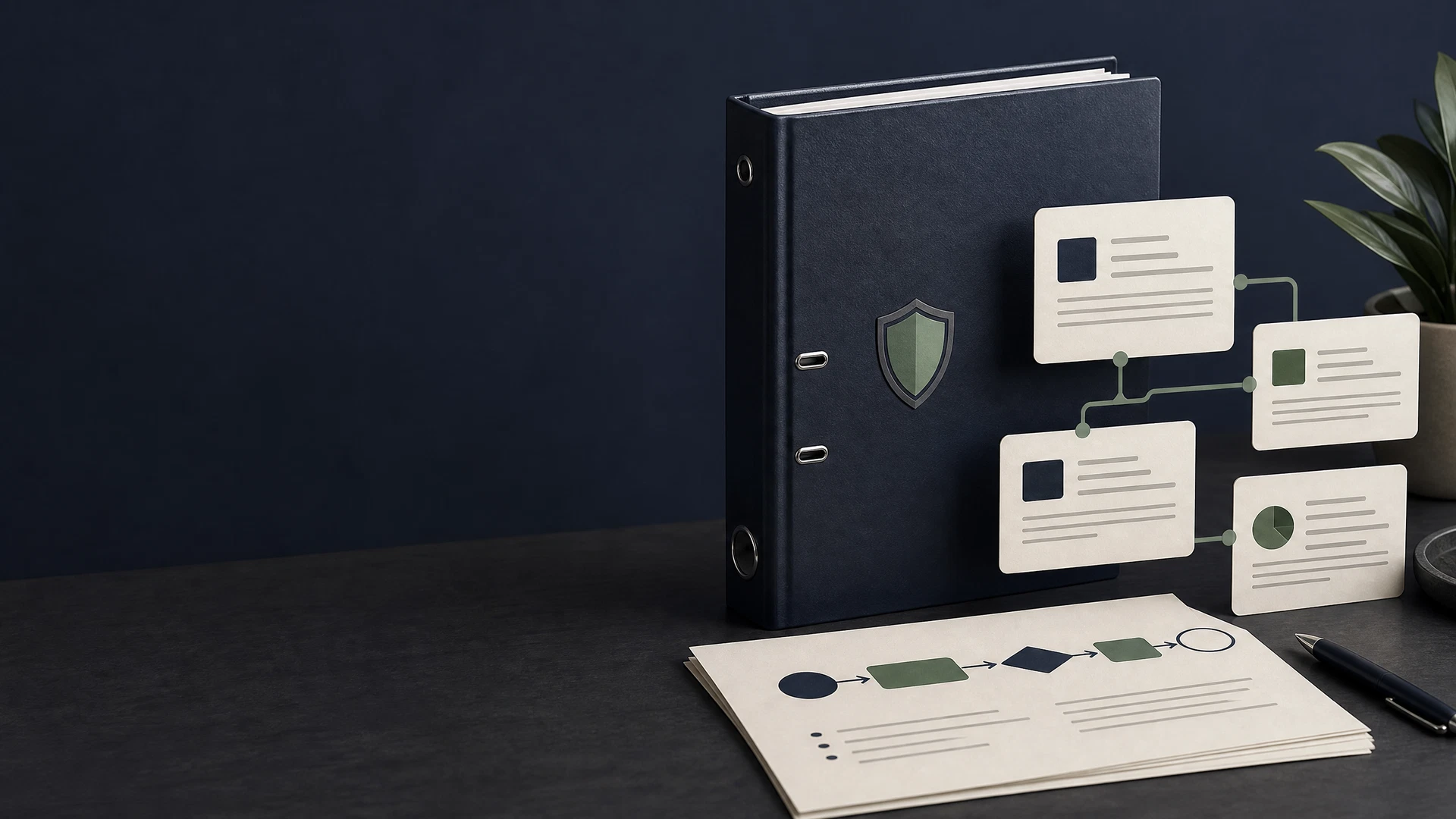
A stepwise, adult-focused explainer of the ENDS public information workflow. Learn how to query public records, time-stamp findings, and make evidence-led decisions while respecting jurisdictional limits.
## What this guide covers This article outlines an ENDS public information workflow for adult-focused research in 2026. It is an evidence-led process for locating and documenting product-specific public records held by regulators. The guidance explains practical decision points — not legal advice — and does not assert that any particular product is authorized or safe.
## Core principles - Use official public databases; do not substitute marketing claims for regulatory records. - Date and save every search result; public information can change. - Work at the product level: brand names, model identifiers, and manufacturer names narrow results and reduce ambiguity.
## Step-by-step workflow 1. Define the search terms: exact product name, model or SKU, manufacturer and country of manufacture. Start broad, then narrow to exact identifiers. 2. Search the regulator’s public database(s). Note the record creation and last-updated dates shown on each page. 3. Capture evidence: download or screenshot the record, record the URL and timestamp, and save a plain-text summary of fields that appear relevant (marketing status, submission ID, or public notes, if present). 4. Compare entries: if multiple records appear, match model numbers and manufacturer names to avoid conflating different products. 5. Decision point — product not found: document the negative result with your search terms and timestamps. A missing record is a valid data point but is not, by itself, a statement about authorization or safety. 6. Decision point — product found: extract product-specific fields and proceed to corroborate with other public resources (e.g., official notices, press releases) while remaining cautious about third-party claims.
## Practical checklist for an audit trail - Record exact search terms and the database name. - Save page snapshots and the page’s displayed dates. - Keep an indexed folder with filenames that include product name and date. - Note any ambiguities for follow-up (e.g., similar model numbers, multiple manufacturers).
## Jurisdiction and legal boundary This workflow explains how to research public information. It does not constitute legal, medical, or regulatory advice. Rules and interpretations vary by jurisdiction; consult qualified counsel or the regulator for binding legal determinations. The source cited at the end is an official public resource and should be used as part of your research, not as a substitute for professional advice.
## Decision notes for communicators and retailers - Avoid repeating manufacturer marketing claims as fact; instead, cite the public record and include your search timestamp. - If a record is unclear, escalate internally or request clarification from the regulator rather than inferring authorization.
Further reading https://www.fda.gov/tobacco-products/market-and-distribute-tobacco-product/e-cigarettes-vapes-and-other-electronic-nicotine-delivery-systems-ends-authorized-fda