Energy-Drink-Inspired Vape Names: What Images Cannot Prove
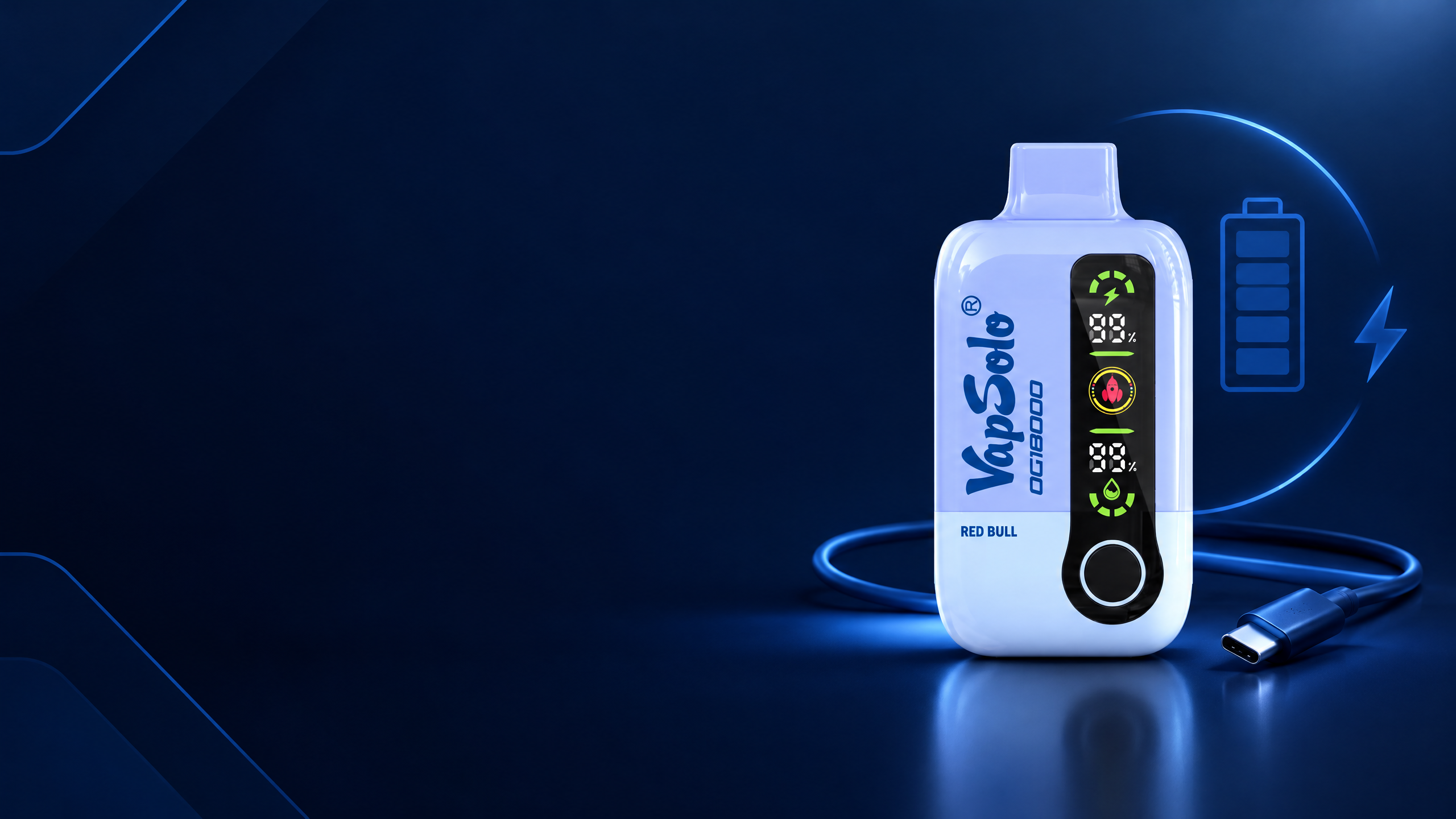
Bright colors, familiar flavor language, and energetic names can shape first impressions. They cannot, by themselves, verify what a vape contains, how it affects a person, or whether it is permitted in a particular market.
A product name that echoes an energy drink can do a great deal of visual and emotional work. Neon colors, fruit references, sharp typography, and words associated with speed or alertness may make a listing feel familiar before anyone reads the detailed information. That impression is a design choice, not evidence. An image cannot establish the exact ingredients, concentration, manufacturing conditions, or intended use of a vaping product.
The same caution applies to flavor language. A name may suggest citrus, berries, tropical fruit, or a caffeinated drink without proving that the liquid contains the corresponding substance. It also cannot prove that a product contains caffeine, that it produces energy, or that any claimed sensation is reliable. Nicotine content, if present, must be confirmed through clear, product-specific labeling and applicable official information—not inferred from a bright can-like graphic or a familiar brand-adjacent phrase.
Images are especially limited when they are cropped, edited, low-resolution, or taken from a marketplace listing. They may omit warnings, ingredient panels, batch details, manufacturer information, or age-related notices. Packaging can change between regions and production runs, while online images may remain outdated. A responsible reader should treat the image as a prompt to verify details, never as a substitute for them.
There is also a regulatory question that pictures cannot answer. Rules for nicotine products, labeling, advertising, flavors, sales, and age access differ between countries and regions and can change over time. A visual resemblance to a well-known beverage does not show that a product is authorized, compliant, or suitable for any person. It certainly does not establish safety. For a careful assessment, consult the product’s complete labeling and the relevant official consumer or public-health authority. The most accurate conclusion is often modest: an image can show how a product is presented, but it cannot prove what is inside, what it will do, or whether it belongs on the market.