Can a Vape Shop Become a Household E-Cigarette Collection Partner? A 2026 EPA Reading Guide
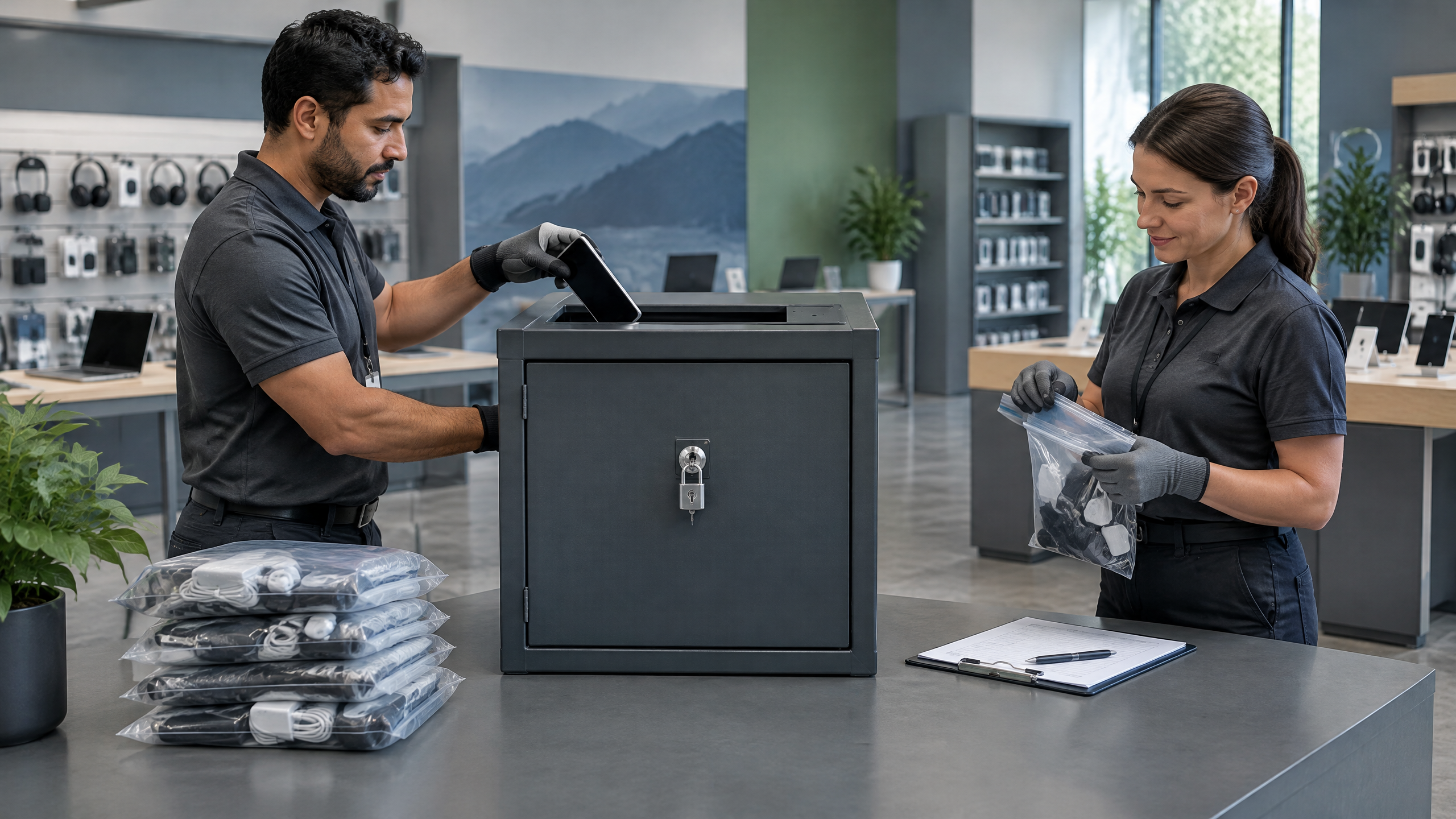
A focused U.S. guide for adult retail operators considering a local collection role for unwanted household e-cigarettes, without confusing public collections with commercial waste.
A collection point needs a local route before it needs a bin
EPA’s 2026 tip sheet is specifically for businesses, including vape shops and other e-cigarette retailers, that are interested in collecting unwanted nicotine e-cigarettes from individuals and households. EPA notes that local governments typically manage household hazardous-waste collection and may approve a business as an alternative collection site. That possibility is not an automatic national permission to start a program. The first task is to confirm the local authority’s requirements and the downstream destination before accepting material.
Keep household collections separate from business-generated waste
EPA explains that waste e-cigarettes generated by individuals at their residences are household hazardous waste under the federal framework. If a business generates its own hazardous waste, that business-generated waste must stay separate from e-cigarettes collected from the public. EPA warns that mixing collected household e-cigarettes with the business’s own hazardous waste causes the waste to lose the household hazardous-waste exemption. This distinction is central to a documented collection plan.
Choose the handoff route in advance
Before collection begins, EPA describes two broad paths: establish a collection agreement with a local household hazardous-waste facility and determine pickup or drop-off procedures, or contract with a hazardous-waste transporter for post-collection pickup and transportation. A facility may prefer to collect the material itself to control transport. The right option depends on the local program, state and municipal requirements, and the business’s actual operations.
Build the collection process around the material actually received
EPA advises against placing e-cigarettes or lithium batteries in curbside trash, recycling, or dumpsters. It says not to attempt to remove embedded batteries or cartridges and not to store collected items where the public can access them. Its tip sheet describes separate handling for devices, liquids and easily removable batteries, secure storage, staff training, an appropriate pickup schedule, and consultation with local agencies. Do not describe a specific collection service to customers until it has been confirmed for your location.
Keep the public message narrow and accurate
A store can explain where customers should take household devices only if that route is real and current. It should not claim that every retail location accepts returns, that every product is recyclable, or that an ordinary mail or parcel service is suitable. EPA says e-cigarettes should not be shipped by common carrier such as FedEx or UPS in this collection context. For individual household questions, see https://neven.bar/en/blog/vape-household-hazardous-waste-guide-2026. For a school or small-business operational workflow, see https://neven.bar/en/blog/school-small-business-vape-waste-collection-2026.
Official source and review date
This article was reviewed on October 19, 2026. Primary source: U.S. EPA, “Battery Collection Tip Sheet: Safely Collecting and Managing E-Cigarettes from Households” https://www.epa.gov/electronics-batteries-management/battery-collection-tip-sheet-safely-collecting-and-managing-e