How to Check Brand Authorization Before Buying a Vape
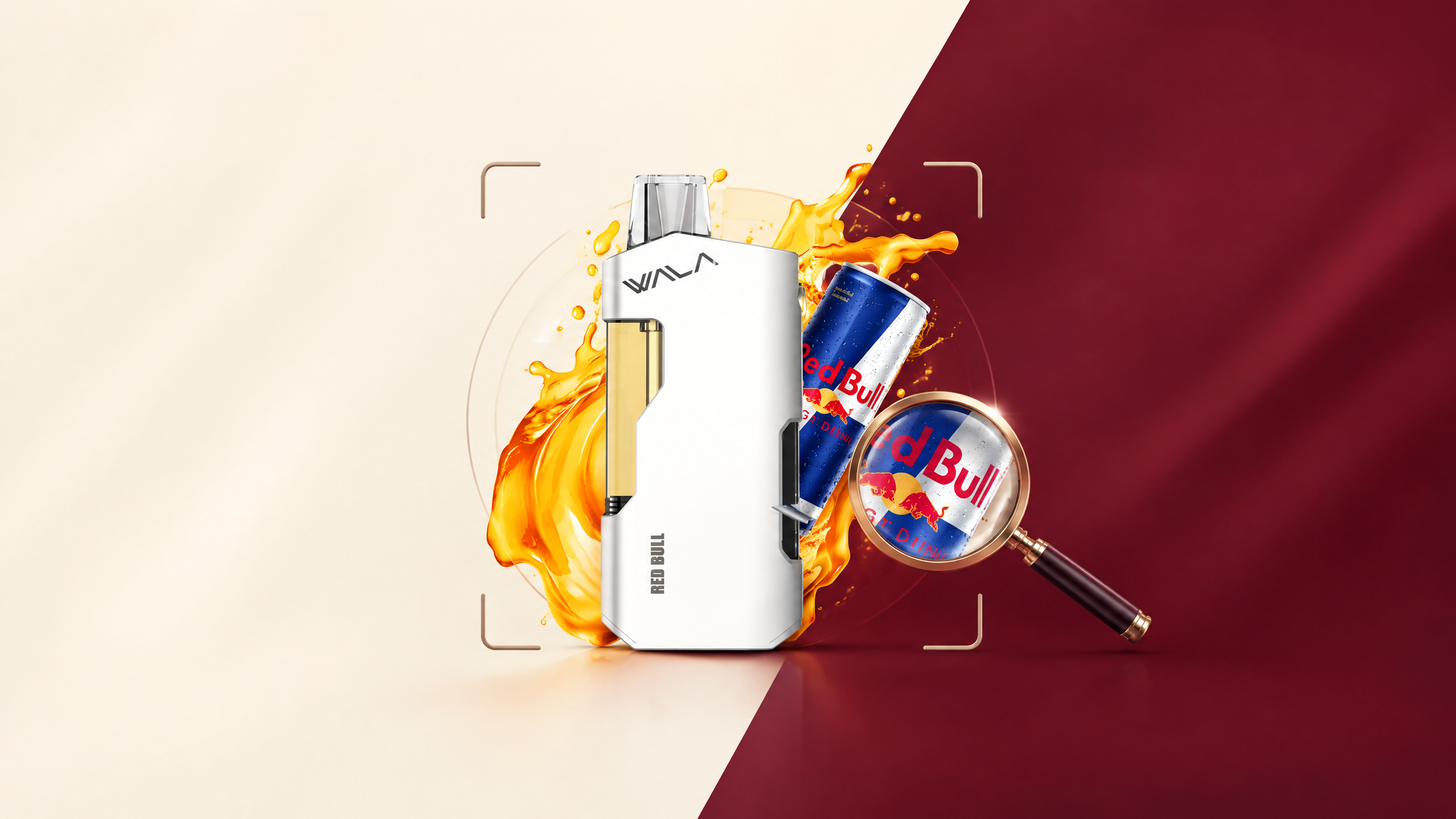
Before buying a vape, verify who is authorized to sell the brand, whether the product details are consistent, and whether the seller provides accountable, lawful support.
Buying a vape should begin with verification, not with a discount. Brand authorization helps answer a basic question: is this seller connected to the manufacturer or to a documented distribution channel? It does not by itself prove that a product is suitable, legal in every location, or risk-free. Rules differ by country and region, so check the requirements that apply where you live and where the product will be sold.
Start with the brand’s official website or another official company channel. Look for a distributor directory, dealer locator, product-authentication guidance, or a customer-service address using the brand’s own domain. Compare the seller’s business name, country, contact details, and product range with those records. A logo, a marketplace badge, or the phrase “official” is not sufficient evidence on its own. If the brand publishes no authorization list, contact its official support team and ask whether the seller is recognized for your market. Keep the reply and the date of the check.
Next, examine the seller rather than only the device. A responsible retailer should display a real business identity, clear terms, an accessible returns process, and information about age checks where required. Be cautious when a seller refuses basic company details, uses several unrelated names, offers unusually large discounts, or asks for payment through methods that remove normal buyer protections. Never rely on a seller’s promise to bypass age, customs, delivery, or local sales rules.
Check whether the product information is coherent. The packaging, model name, batch or lot marking, manufacturer or importer details, warnings, instructions, and language should agree with the listing and with the requirements of the intended market. Avoid products with altered labels, missing warnings, damaged seals, or serial numbers that cannot be explained. Do not treat a QR code, scratch panel, or authentication page as conclusive: counterfeiters can copy those features, and a successful scan does not establish lawful sale.
Before paying, ask for the relevant invoice and confirm what is included, such as the device, charger or cable, warranty terms, and return conditions. Do not assume that a warranty is valid across borders. If the seller cannot explain the supply chain or the brand cannot confirm the seller, choose not to proceed. For official information, consult the manufacturer’s own support channel and the competent consumer-protection, customs, or public-health authority in your jurisdiction. This approach cannot eliminate every product risk, but it can reduce avoidable uncertainty and keep the purchase within applicable rules.