Planning an E-Cigarette Collection Point: Questions Retailers Should Ask in 2026
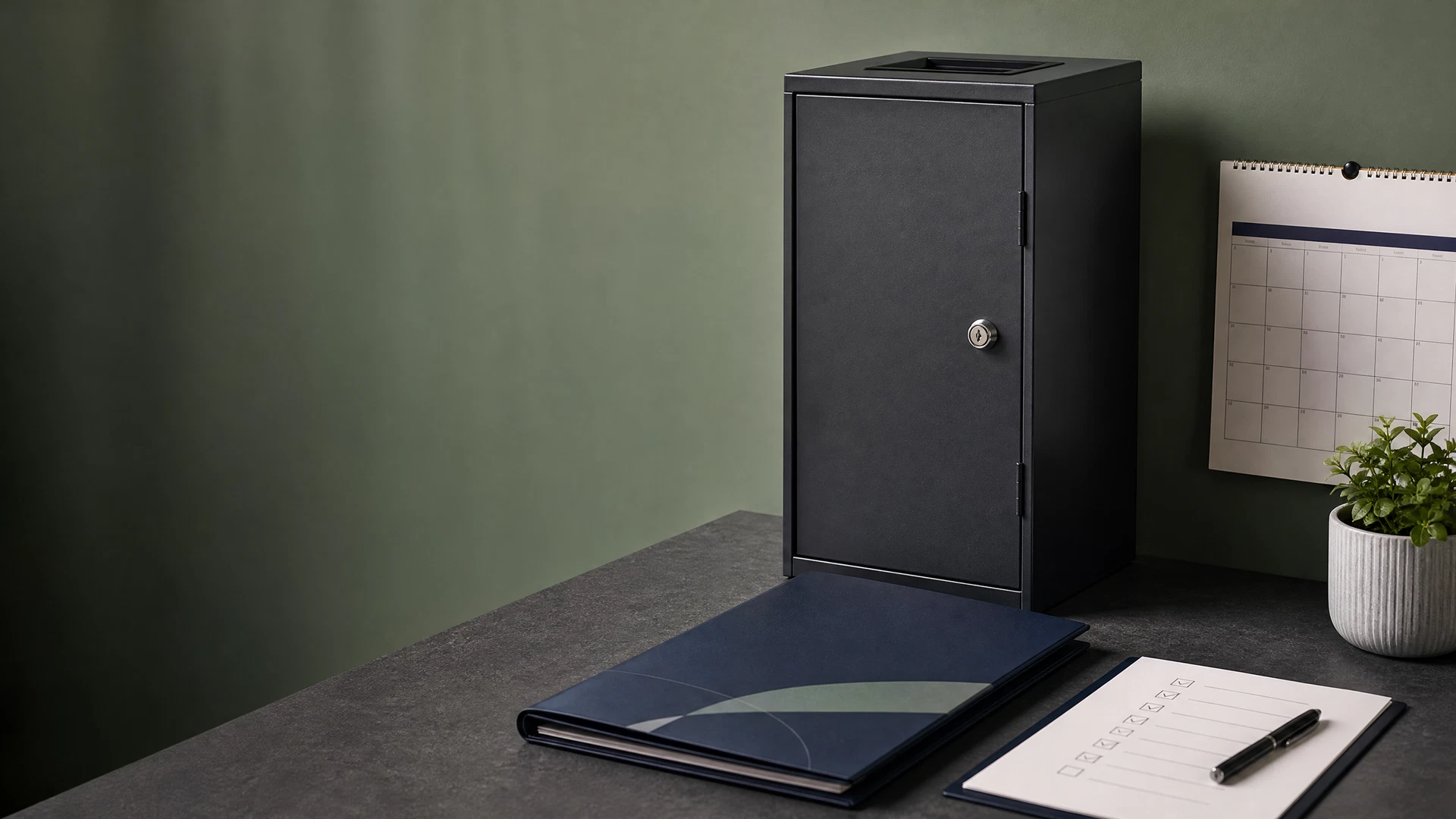
A practical pre-planning framework for retailers considering a collection point for unwanted household e-cigarettes. Based on the U.S. EPA 2026 tip sheet, this article lists decision points, coordination needs, and a sensible checklist without providing hazardous-waste handling steps or legal advice.
## Why plan carefully? Planning an e-cigarette collection point is increasingly considered by vape shops and retail stores that want to help customers dispose of unwanted household devices responsibly. The U.S. EPA’s 2026 tip sheet for businesses describes key coordination steps and makes clear this guidance is U.S.-focused. This article frames practical questions and a decision checklist for retailers; it does not provide hazardous-waste handling instructions or legal advice.
## Key planning questions - Who will accept the material? Will you coordinate with a local household hazardous waste (HHW) facility or contract a licensed hazardous waste transporter? EPA recommends arranging this before you collect. - What counts as an acceptable drop-off? Define clearly for customers which device types you will receive and whether batteries must remain installed. Avoid dismantling or device modification in-store. - Where will items be stored? Identify a secure, ventilated, and clearly marked interim storage area inside the store. Storage time limits and segregation from other waste should reflect local rules. - Who on staff is authorized and trained? Decide who receives items, how identity or age will be handled, and what records staff must keep. Training should focus on safe handling, recognizing damaged batteries, and refusal policies—without teaching hazardous-waste transport techniques.
## Practical checklist for pre-launch 1. Contact local or state environmental, public health, or solid-waste agencies to confirm applicable rules and permit needs. The EPA resource is U.S. guidance only; local requirements can differ. 2. Establish a written agreement with an HHW facility or a licensed hazardous waste contractor. Get documentation of their acceptance criteria and pickup schedule. 3. Choose and signpost a collection point location in-store; create procedures for secure interim storage and incident response. 4. Draft customer-facing signage and intake scripts that limit collection to household devices and explain any refusal conditions. 5. Institute simple recordkeeping: quantities collected, date, contractor information, and how long items were held onsite. Keep records in case of inspection. 6. Train staff on the program scope, safety precautions, and customer interactions. Emphasize that this is not legal advice and that local rules govern compliance.
## Decision points and operational cautions - Liability and insurance: consult your insurer before starting. The EPA tip sheet recommends coordination with qualified waste managers rather than ad hoc disposal. - Communications: avoid environmental claims or promises about outcomes; be factual about what you accept and the logistics. - Youth protection: do not market the program to minors; ensure advertising and signage are age-neutral.
## Jurisdiction and legal limits The EPA document cited is intended as U.S. federal guidance for businesses and households. It is not a substitute for state, local, or tribal rules. Retailers must confirm permit, storage, and transport requirements with local environmental, health, or solid-waste agencies; this article is not legal advice.
Further reading https://www.epa.gov/electronics-batteries-management/battery-collection-tip-sheet-safely-collecting-and-managing-e