Travelling With a Vape in 2026: A Responsible Planning Guide
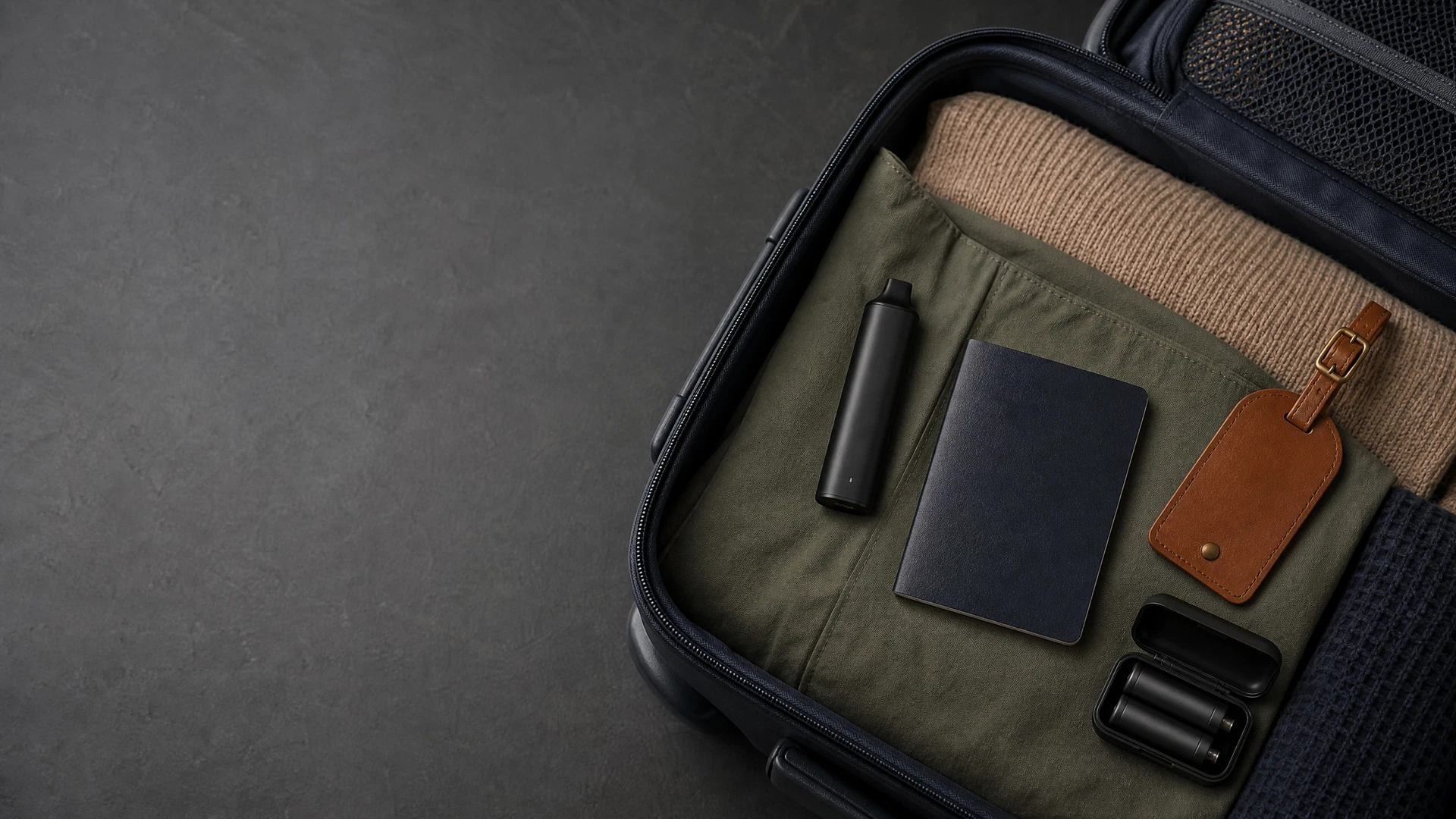
Travel rules can change by airline, airport and destination. A simple pre-trip check is more reliable than relying on one general travel tip.
Travel content about vaping often sounds simpler than the real-world rules. A device may be handled one way by an airline, another way by airport security and differently again under the law at the destination. The responsible approach is to plan before packing and to treat every trip as a fresh check, especially when crossing borders.
Confirm three sources before departure
Start with the airline’s current battery and electronic-cigarette policy. Then review the departure airport’s security guidance and check the rules of the destination, including transit countries. A rule that applies on a domestic route may not apply on an international itinerary. If official information conflicts or is unclear, contact the carrier or relevant authority rather than relying on a travel forum.
Understand the baggage category
The U.S. FAA states that passengers may carry a vape or e-cigarette on a plane but should keep it in the cabin; use on board is not allowed. TSA and airlines may add specific requirements. For many routes, devices and spare lithium batteries are not permitted in checked baggage. The precise policy, battery limits and protection steps should always be confirmed for the flight in question.
Prevent accidental activation and damage
Use a protective case or device feature that prevents accidental activation during travel, following the manufacturer’s instructions. Keep the device away from loose metal items and avoid packing it where it can be crushed. Do not charge or use a device on board unless the airline explicitly permits it—which may not be the case.
Respect destination laws
Airline carriage rules do not decide whether a product may be brought into, sold in or used at a destination. Some countries and regions restrict or prohibit vaping products. Check customs and public-health guidance before you leave; a product accepted at departure can still create a problem on arrival.
Pack less, document more
Take only what is allowed and necessary for the itinerary, keep devices and relevant information organised, and allow time for questions at screening. Adult travellers who plan with official sources are less likely to make assumptions that lead to delays or confiscation.
Further reading: U.S. FAA, “Vapes On A Plane,” and the applicable airline and destination guidance for your trip.