Vape charging safety questions to ask before plugging in
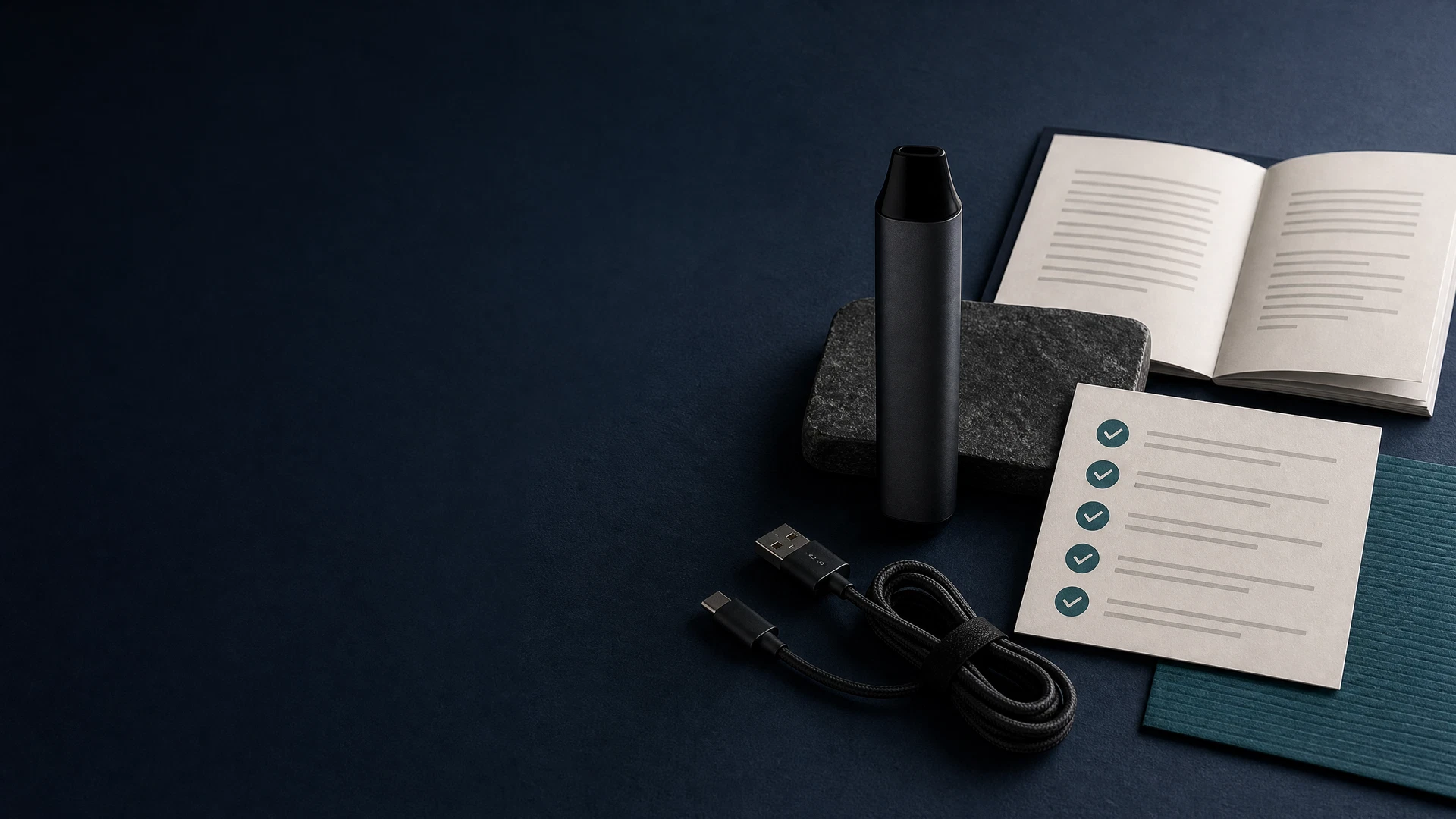
A concise, adult-focused explainer listing practical vape charging safety questions and decision points for 2026. High-level advice only; manufacturers’ manuals, model differences and abnormal-device guidance matter.
## Why ask questions before you plug in? vape charging safety questions help adults decide whether a device is ready for power and how to reduce obvious, avoidable risks before connecting to a charger. This explainer is for adults and focuses on high-level safety choices: it does not give medical or legal advice, and it never instructs device modification or repair. The U.S. Food and Drug Administration provides public safety information on e-cigarette battery incidents and serves as the source boundary for this guidance. Device-specific manuals and manufacturer instructions matter; when in doubt, follow those resources or contact the manufacturer rather than attempting repairs yourself.
## Quick checklist (decision points) - Is the device visibly damaged (cracks, swelling, exposed wiring)? If yes: stop and seek manufacturer or retailer guidance; do not attempt repairs yourself. - Are you using the charger and cable supplied or explicitly recommended by the manufacturer? If no: check compatibility guidance from the manufacturer before connecting. - Is the charging port debris-free and dry? If no: follow manufacturer cleaning guidance or wait until the port is dry. - Is the battery temperature normal (not hot to touch) before charging? If no: do not charge and contact the manufacturer or retailer for advice. - Are you charging in an appropriate environment (on a non-flammable surface, in a ventilated area, and supervised while charging)? If no: move to a safer location.
These decision points are practical steps intended to reduce immediate risks; they are not guarantees of safety. They do not replace model-specific instructions or professional assistance.
## Practical steps while charging - Monitor the device: avoid leaving it unattended for extended periods and check it periodically while it charges. - Avoid charging under pillows, on soft bedding, or inside containers that trap heat. Use a stable, non-flammable surface with some airflow. - Use properly rated outlets and surge protection when available; avoid improvised adapters or forcing connections that do not fit. - Keep chargers and batteries away from liquids and sources of heat, and do not expose charging devices to extreme temperatures.
These steps are general precautions to limit exposure to obvious hazards; they are not technical instructions for alteration or repair of devices.
## When to contact the manufacturer or a qualified retailer - If the device behaves abnormally (strange sounds, excessive heat, visible smoke, or liquid leakage). - If a battery has been punctured, crushed, or is visibly deformed or swollen. - If a charger or cable sparks, melts, emits a noticeable odor, or otherwise appears unsafe.
Do not attempt to open, modify, or repair battery cells. High-level safety guidance can vary by model and jurisdiction; always consult the device manual and manufacturer resources for model-specific instructions. This information is general consumer guidance and is not legal advice.
## How retailers and sellers can help (adult vape information) - Provide clear guidance to buyers about recommended chargers and replacement parts and encourage purchasers to use manufacturer-specified accessories. - Display manufacturer contact details and make the device manual readily available or provide a link to it. - Encourage customers to report abnormal devices to the manufacturer or a qualified retailer rather than attempting fixes themselves.
Further reading https://www.fda.gov/tobacco-products/products-ingredients-components/tips-help-avoid-vape-battery-fires-or-explosions