Vape Collection Program Escalation Path: A Planning Guide
This evidence-led US planning guide explains a clear vape collection program escalation path for adult-focused collections. It summarizes the EPA 2026 tip sheet recommendation to coordinate with household hazardous waste facilities or qualified transporters, sets decision points for retailers and community programs, and clarifies jurisdiction limits. Not legal advice.
## Overview The phrase "vape collection program escalation path" refers to a defined, stepwise plan that organizations can use to manage intake, triage and referral for unwanted e-cigarettes from adult households. In 2026 the U.S. EPA published a tip sheet advising businesses and programs on safely collecting household e-cigarettes and recommending coordination with a household hazardous waste (HHW) facility or a qualified transporter. Use this document as US guidance only — it is not legal advice and state or local requirements may differ.
## Core planning decisions The following decision points help convert policy into operational practice without providing dismantling, shipping, or hazardous-waste handling instructions: - Scope: Will you accept only sealed, unused devices, only end-of-life devices from adult customers, or both? Limit intake by customer type and require proof of age where local law requires it. - Intake location: Choose a non-public point of contact (front desk, register area) and a designated, secure holding area. Do not instruct staff to open or disassemble devices. - Partnering: Before starting, contact a local HHW facility or a qualified transporter, as the EPA recommends. Establish written roles for collection, storage duration, and referral triggers. - Staff training: Train staff to identify obvious damage (e.g., visible breakage, leakage, or hissing sounds) and to follow your escalation path; do not train staff in battery or e-cigarette remediation methods.
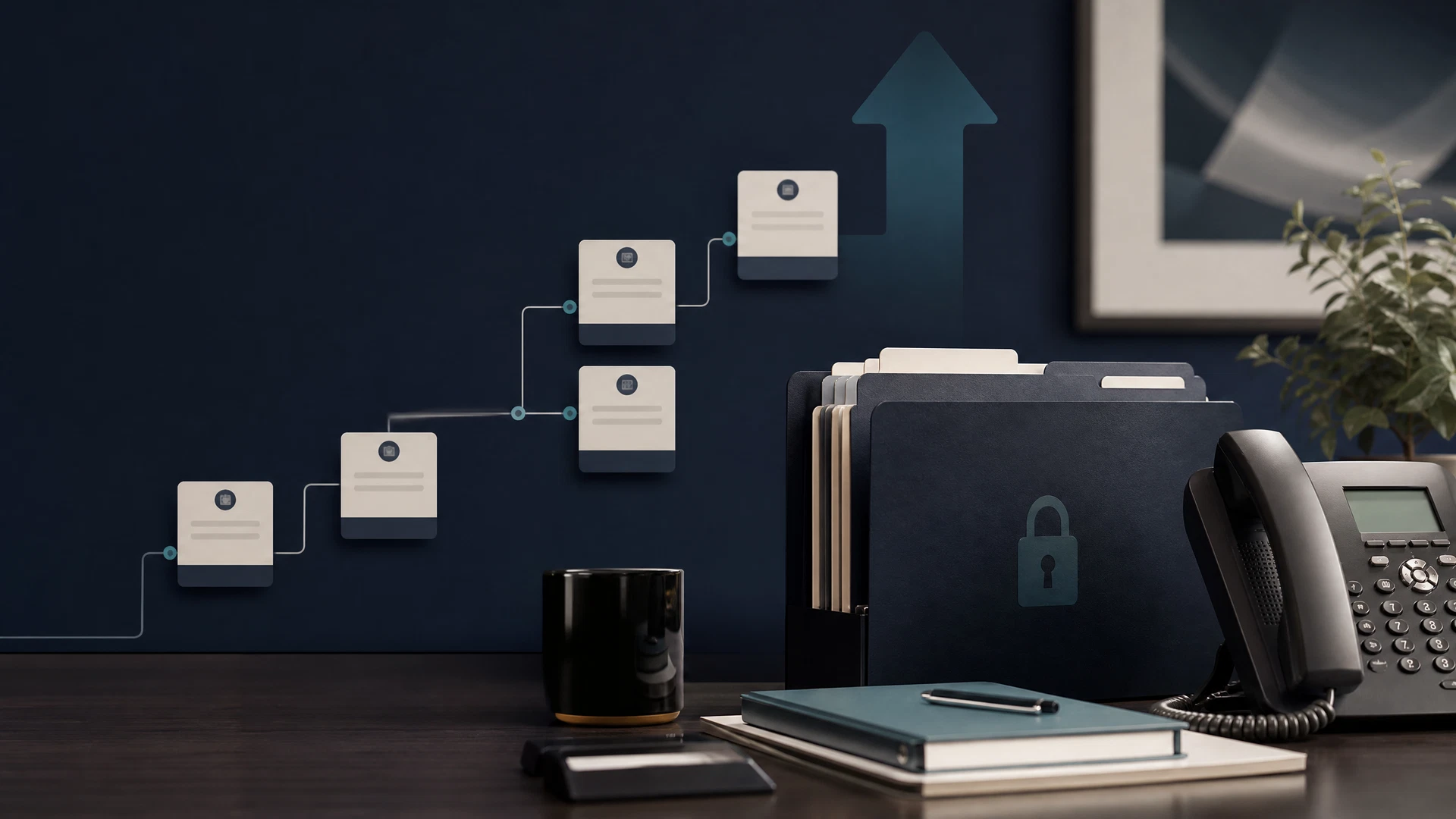
## Escalation path (high-level flow) 1. Initial intake and verification: Confirm customer age and intake scope. Record minimal identifying details per your privacy policy. 2. Triage: Visibly intact and non-damaged items → schedule transfer to HHW/qualified partner. Items with visible damage or signs of leakage → move to escalation. 3. Escalation: For damaged, leaking, smoking, or otherwise unstable devices, immediately isolate from public access and notify your pre-identified HHW partner or qualified transporter. If there is an immediate safety risk (fire, active smoking, strong fumes), follow local emergency protocols and contact emergency responders as required by local rules. 4. Transfer/closure: Coordinate documented transfer to the HHW facility or transporter per your agreement. Keep a record of dates, partner contacts, and disposition steps.
## Practical checklist for launch - Confirm local regulations and permit needs (jurisdiction varies). - Contact an HHW facility or qualified transporter and obtain written procedures on acceptance criteria. - Define intake scope, signage, and age-verification processes. - Create an escalation contacts list and staff decision tree sheets (who to call and when). - Maintain records of transfers for audit and community reporting.
## Limits and legal note This guide summarizes EPA 2026 recommendations and is intended as planning guidance for US-based programs. It is not legal advice. Do not dismantle, modify, or attempt to remediate devices; do not give medical advice; and do not accept items from minors. State and local laws may impose additional requirements.
## Further reading https://www.epa.gov/electronics-batteries-management/battery-collection-tip-sheet-safely-collecting-and-managing-e