Vape Collection Site Search Guide: Start With Public Resources
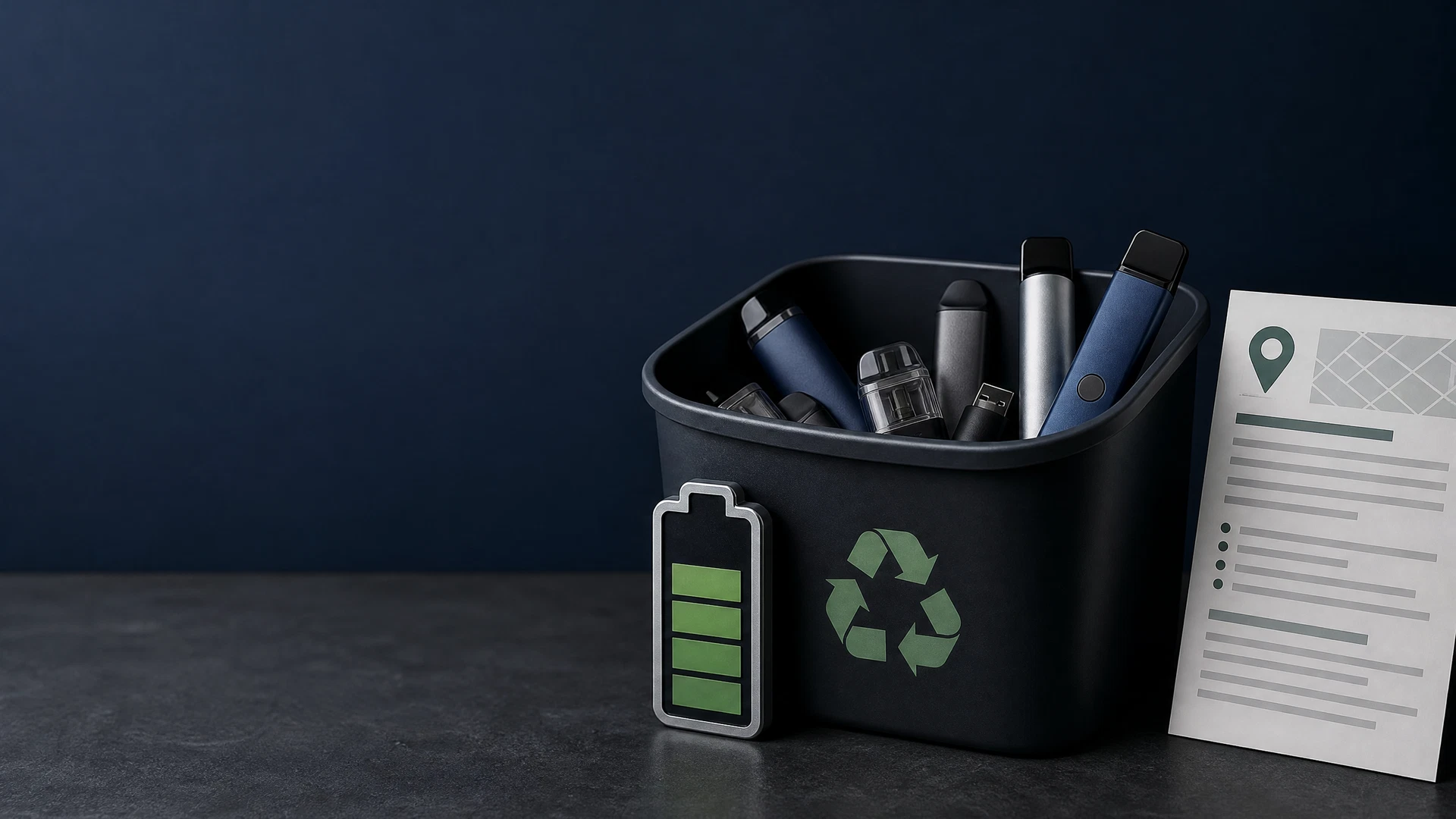
A practical U.S.-household guide for adults on locating vape collection options. Begin with public resources, confirm local rules, and follow clear decision points — this is not legal advice.
vape collection site search guide: Start with public resources to locate approved drop-off options in your area. Searching for a place to drop off used e-cigarettes (vapes) can be confusing because local rules and available options vary. The U.S. Environmental Protection Agency (EPA) notes that e-cigarettes contain nicotine and lithium batteries and directs people toward household hazardous waste (HHW) collection sites and local collection options. This article summarizes public, source-bound guidance and emphasizes checking local programs and municipal resources before transporting or disposing of devices.
Why start with public resources? Public resources — municipal, county, or state waste program pages and official HHW sites — are the clearest starting points. These pages often list accepted items, event schedules, and specific instructions for drop-off or collection events. Because local collection rules differ, a city or county webpage, or a state waste authority page, will most often indicate whether your area accepts e-cigarettes and how they prefer they be packed or presented.
Use this information as U.S. household guidance only. This article is informational and is not legal advice. It is written for adults and does not provide health, medical, or legal assurances. Always confirm rules directly with local authorities before acting.
Quick checklist to begin - Confirm you are of legal age to handle or dispose of vaping devices in your area; local age restrictions or retail return policies may apply. - Identify whether the device has a removable lithium battery or an integrated battery; consult the manufacturer’s guidance when available and do not dismantle devices to check. - Search municipal websites and solid-waste or household hazardous waste (HHW) pages first — many list accepted items, drop-off locations, and event dates. - Call a local HHW program, county waste office, or public works department for specifics before you travel to a collection site.
Decision point: If the battery is removable and you can safely secure it in non-conductive packaging (for example, the original battery casing or covering exposed contacts with non-conductive tape), contact the HHW program to confirm acceptance and any preparation requirements. If you are unsure about the battery type or safe transport, treat the device as a hazardous waste item and request local guidance.
Step-by-step search process 1. Start at your city or county website and look for pages labeled "household hazardous waste," "E‑waste," or "recycling events." These pages often provide contact information and lists of accepted materials. 2. Check state or regional waste authority pages; many aggregate links to municipal drop-off points or list periodic HHW event schedules. 3. If you cannot find a local listing online, contact your municipal solid waste office or county health department by phone or email. Ask specifically whether they accept e-cigarettes and lithium batteries and about any preparation steps they require. 4. Ask retailers: some vape shops or electronics retailers may participate in take-back or recycling programs. If a retailer indicates they will accept devices, confirm what types of devices and batteries they accept and whether any packaging or markings are required.
Decision point: If a retailer accepts returns or a collection program lists acceptance, verify whether they accept used cartridges or only sealed, unused products. Do not interpret a willingness to accept an item as a claim about its safety or suitability.
Practical handling tips (adult-only, non-technical) - Do not attempt to open or modify batteries or devices. Do not add other materials to a package that could affect how a device is handled. - Keep used devices away from children and pets. If possible, keep devices out of reach and in a secure location until you can confirm an appropriate local collection option. - Store devices in a cool, dry place. If a battery has exposed contacts and you plan to transport the device, cover exposed battery contacts with non-conductive tape before transport, and place the device in a separate container to avoid contact with other metal objects.
Jurisdiction and limits This guidance is intended for U.S. households only. Local collection rules differ; always confirm rules and any applicable preparation steps with local authorities or the specific collection program. The information here does not constitute legal advice.
Further reading https://www.epa.gov/hw/how-safely-dispose-e-cigarettes-information-individuals