Vape device storage temperature questions: Consult the manual
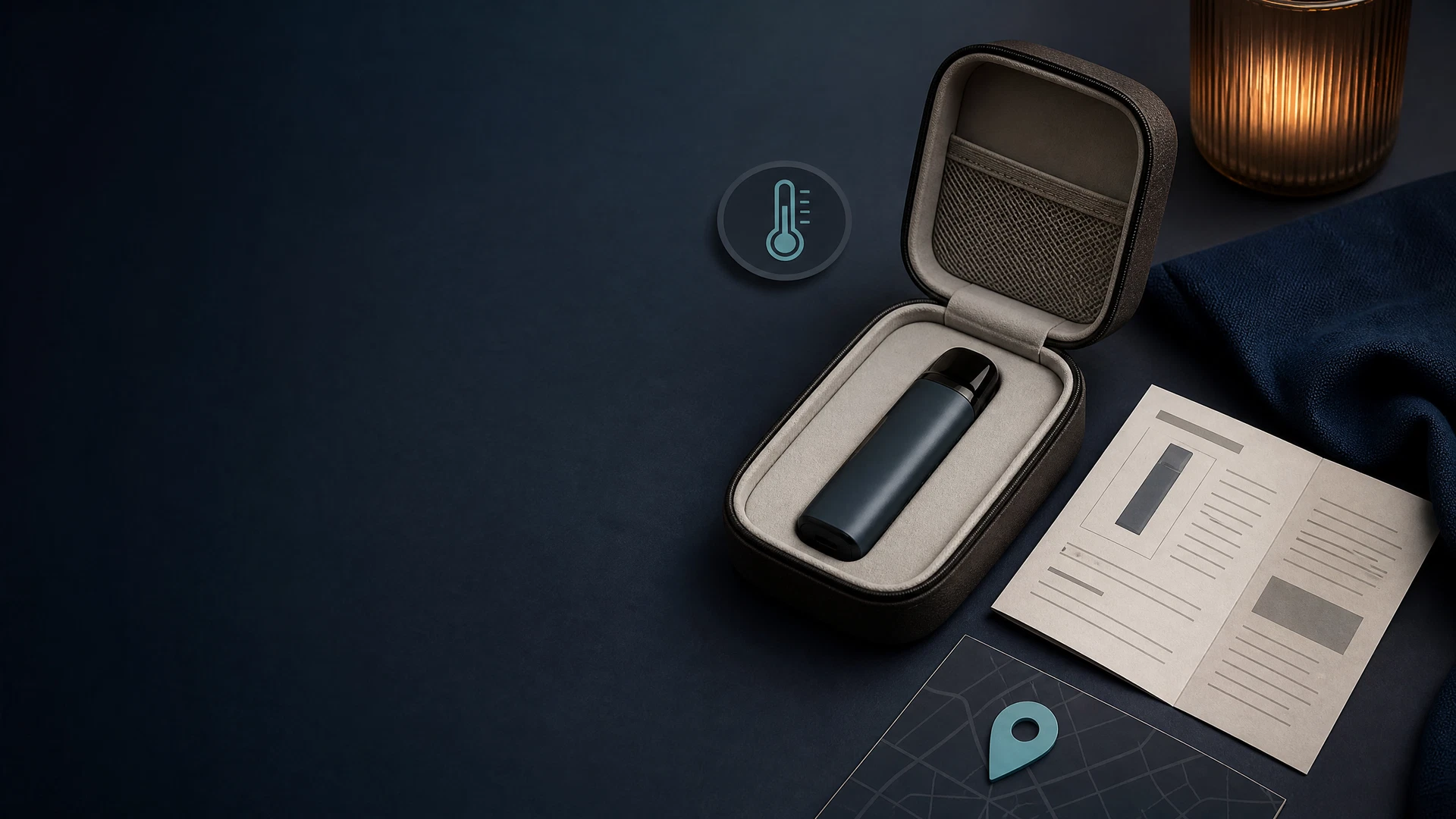
A concise, adult-focused explainer on common vape device storage temperature questions. Learn what to check in your manual, how to make practical storage decisions, and when to seek model-specific support.
How to approach vape device storage temperature questions
When people ask "vape device storage temperature questions" in 2026, the most reliable starting point is the device manual and manufacturer instructions. Because battery chemistry and design vary, a one-size-fits-all temperature number is rarely appropriate. This article gives high-level, non-technical decision points and checklists that help adults choose safer storage behaviours without suggesting repairs, modifications, or medical advice.
Key principles (evidence-led)
- Consult the manual first: manufacturer guidance is model-specific and may include recommended storage ranges, charge limits, and warnings. The U.S. FDA stresses that device-specific instructions matter for avoiding battery incidents. - Avoid extreme environments: keep devices out of direct sunlight, away from intense heat sources (radiators, ovens, car dashboards in hot weather) and prolonged freezing. Extremes can accelerate battery deterioration or change how a device performs. - Keep devices dry and mechanically intact: moisture, impact damage, cracks, leaks or bulging indicate a need for cautious, model-specific support rather than attempts at modification.
Quick decision checklist for storage
- Short-term (daily to a few days): store in a cool, dry place away from metal objects and keys; avoid direct sunlight. - Medium-term (weeks): leave device partially charged per manufacturer recommendations; if the manual advises removing batteries for extended storage and you are qualified, follow those instructions or seek retailer/manufacturer guidance. - Long-term (months): follow model-specific guidance in the manual; contact manufacturer or authorized support for storage procedures.
Do not attempt to repair or alter battery components yourself.
When to seek support
- Device is visibly damaged, emits odors, leaks, gets excessively hot, or shows battery swelling: stop using it and consult the manufacturer, retailer, or an authorized service contact. Do not puncture, burn, or attempt to disassemble the device. - Unclear manual: if the manual is missing or unclear, contact the manufacturer or an authorized retailer for model-specific instructions.
Jurisdiction and limits
This article provides high-level safety information only. It is not legal advice, does not replace manufacturer guidance, and does not authorize modification, repair, or medical decisions. Regulatory requirements vary by jurisdiction; consult local authorities or legal counsel for regulatory compliance questions.
Practical tips for retailers and adult users
- Keep packaging and manuals accessible for customers; train staff to direct questions about storage to manufacturer guidance. - Label demonstration units to avoid leaving them in hot display windows. - Encourage customers to store devices in original cases and keep them away from children and pets.
Further reading
https://www.fda.gov/tobacco-products/products-ingredients-components/tips-help-avoid-vape-battery-fires-or-explosions