What a Puff Count Does and Does Not Tell You
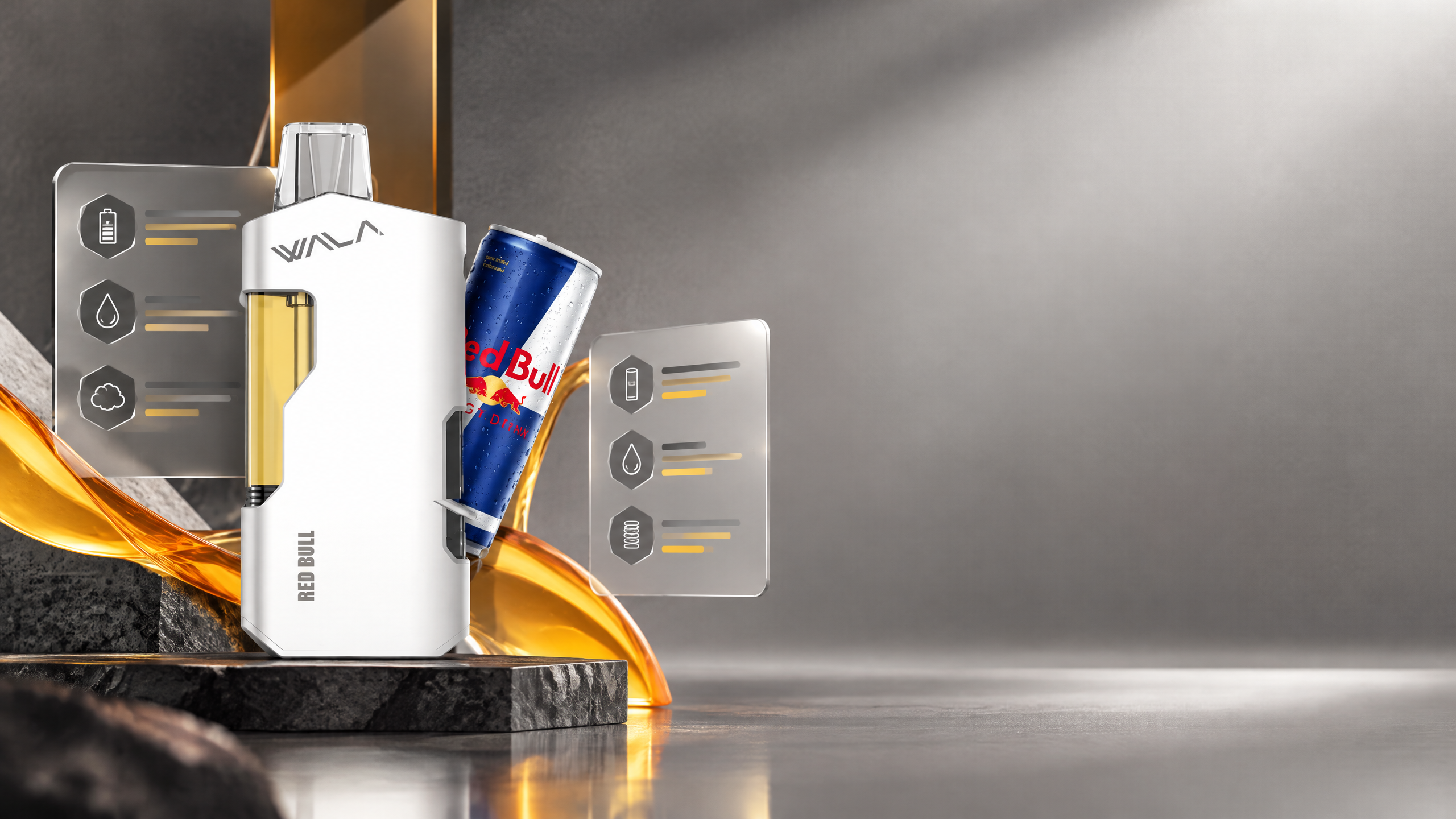
A puff count is a product estimate, not a personal forecast. Here is how to interpret it without confusing marketing language with a measure of use, exposure, or safety.
<p>A puff count is usually an estimate of how many draws a device or cartridge may provide under a particular test setup. It can help compare the advertised size of products, but it is not a universal unit. A manufacturer may use a short, consistent machine draw, while a person may take longer or deeper draws. The number on a package therefore describes a testing assumption, not a promise about what every user will experience.</p><p>Usage changes the result. Draw length, airflow, device power, liquid delivery, pauses between draws, and the point at which the device stops working can all affect how long it lasts. A person who takes brief draws may get more draws than the label suggests; someone who takes longer draws may get fewer. Even two products with the same stated count may perform differently because their testing methods and designs differ.</p><p>A puff count also does not tell you how much nicotine, if any, a person will absorb. Absorption depends on the product’s contents, the device, the way it is used, and individual factors. The count is not a measure of safety, harmlessness, satisfaction, alertness, or a recommended amount of use. It should not be used to calculate a personal dose or to compare products as if the count were a health rating.</p><p>Read the full label and accompanying instructions instead of relying on one large number. Check the listed ingredients and nicotine information where provided, warnings, manufacturer details, and any limitations on the estimate. Products and rules differ by country or region, and official requirements can change. For reliable regulatory information, consult the relevant government health or consumer-protection authority. If a label is unclear or conflicts with other information, treat the estimate cautiously rather than filling the gap with assumptions.</p><p>In short, a puff count can describe an approximate amount of use under stated conditions. It cannot predict personal experience, exposure, health effects, or legal status. Keeping that distinction in mind makes the number easier to understand—and prevents a marketing estimate from being mistaken for a guarantee.</p>